The Artificial Intelligence track within the Master’s in Computer Science offers specialised training focused on the key methods and technologies of AI.
It is based on modules in deep learning, natural language processing, modelling, optimisation and AI applications, as well as formal aspects such as the verification and validation of AI-based systems.
The specialisation also incorporates cross-disciplinary skills in software engineering, advanced algorithms and programming.
The programme benefits from strong links to research and explores applied topics such as video games and complex intelligent systems.
Pedagogy
The teaching approach is based on a balance between theoretical instruction and practical application.
Students work on supervised projects, case studies and group work, which encourages learning through the practical application of the methods studied.
A coherent progression between the first and second years of the Master’s programme enables students to gradually develop their expertise and autonomy.
Teaching draws on current tools and environments, with particular emphasis on methodological rigour, the analysis of results and the quality of software development.
Finally, work experience opportunities are integrated throughout the programme. For students on the initial training pathway, a compulsory internship is scheduled at the end of the programme. Work-study students undertake work placements throughout the entire Master’s programme.
Events and career support
Throughout the Master’s programme, our students are offered a programme of events designed to develop their knowledge and professional networks and to facilitate their entry into the job market: Carrefour des métiers de l'informatique, TECH Day, sector-specific conferences, practical workshops (CVs, cover letters, interviews), meetings with experts, job dating sessions, and more.
TECH Day - Leading figures in the tech sector analyse the latest digital trends.
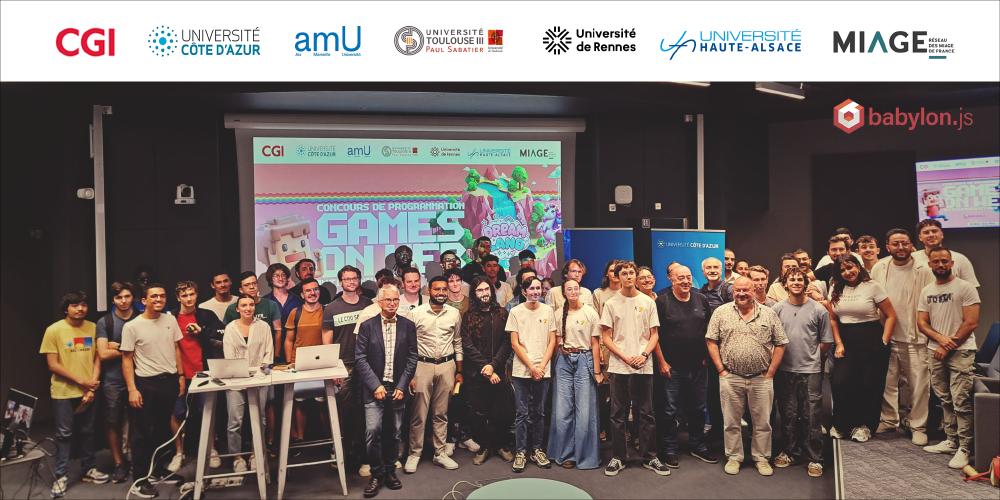
Games on Web, inter-university 3D web game programming competition
The Doctoriales, a annual event to find out what a PhD Student's life looks like.
Artificial intelligence is transforming our jobs, our ways of life and our societies. The aim of the Master’s in Computer Science, specialising in Artificial Intelligence, is to train specialists who are not only able to master these technologies, but also to design, develop and evaluate them rigorously.
Students acquire solid skills in machine learning and deep learning, particularly in data processing and natural language processing.
They are trained in modelling AI systems, analysing their performance and validating them, including through the use of formal methods.
The programme also focuses on mastering the tools and methods of software engineering as applied to intelligent systems.
Upon completion of the Master’s degree, graduates are able to join R&D or advanced software development teams, or to pursue a PhD in the fields of AI and computer science.
This Master's degree program in Computer Science is part of the curriculum offered by the Digital Systems for Humans Graduate school (EUR DS4H).
The School encourages students to broaden their digital horizons by combining their coursework with a wide range of à la carte semester options: minor courses in law, business, computer science, AI, strategy and innovation, creative industries, entrepreneurship, etc., immersive research projects in laboratories,... Each student can thus develop a unique professional profile by acquiring the cross-disciplinary skills valued by companies, the research community, and start-ups.
In partnership with leading research laboratories and a dynamic network of corporate partners, the School also aims to create opportunities for students: scientific and professional events, programming competitions, international mobility, etc. are all opportunities to learn outside the classroom and successfully enter the job market.
Training accessible to people with disabilities. Anna-Maria SUCHINSKA
Responsible for welcoming and supporting students with disabilities
Campus SophiaTech Campus, Templiers, building E, office E206 anna-maria.suchinska@univ-cotedazur.fr Mission Handicap Website
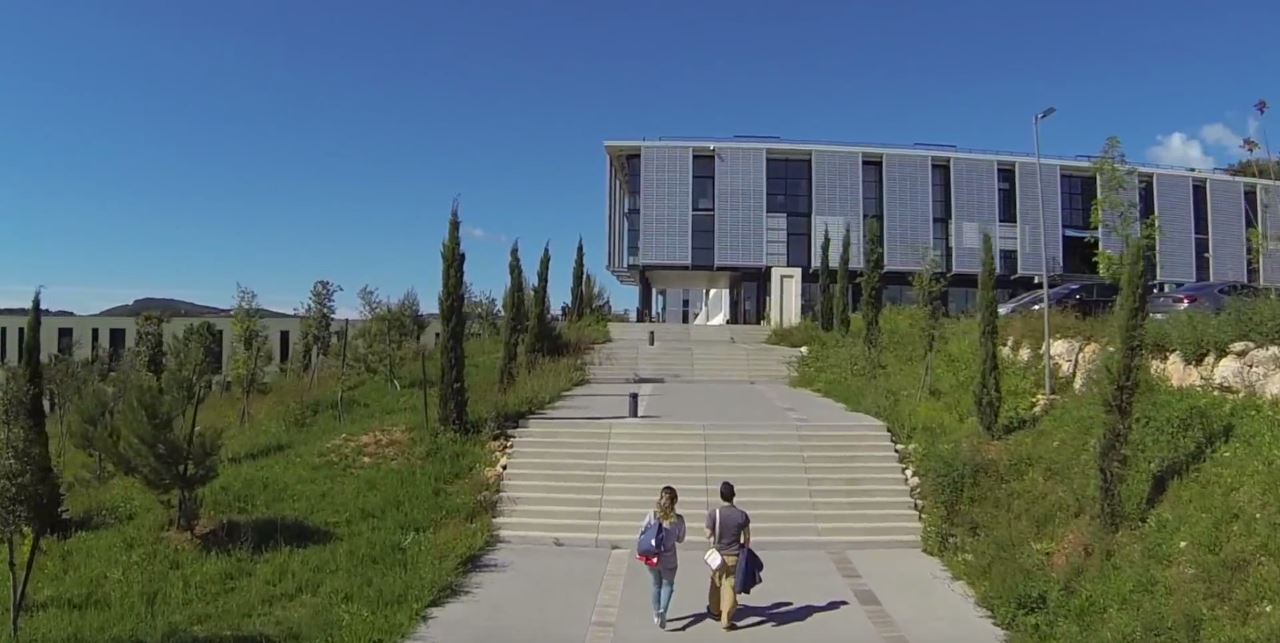
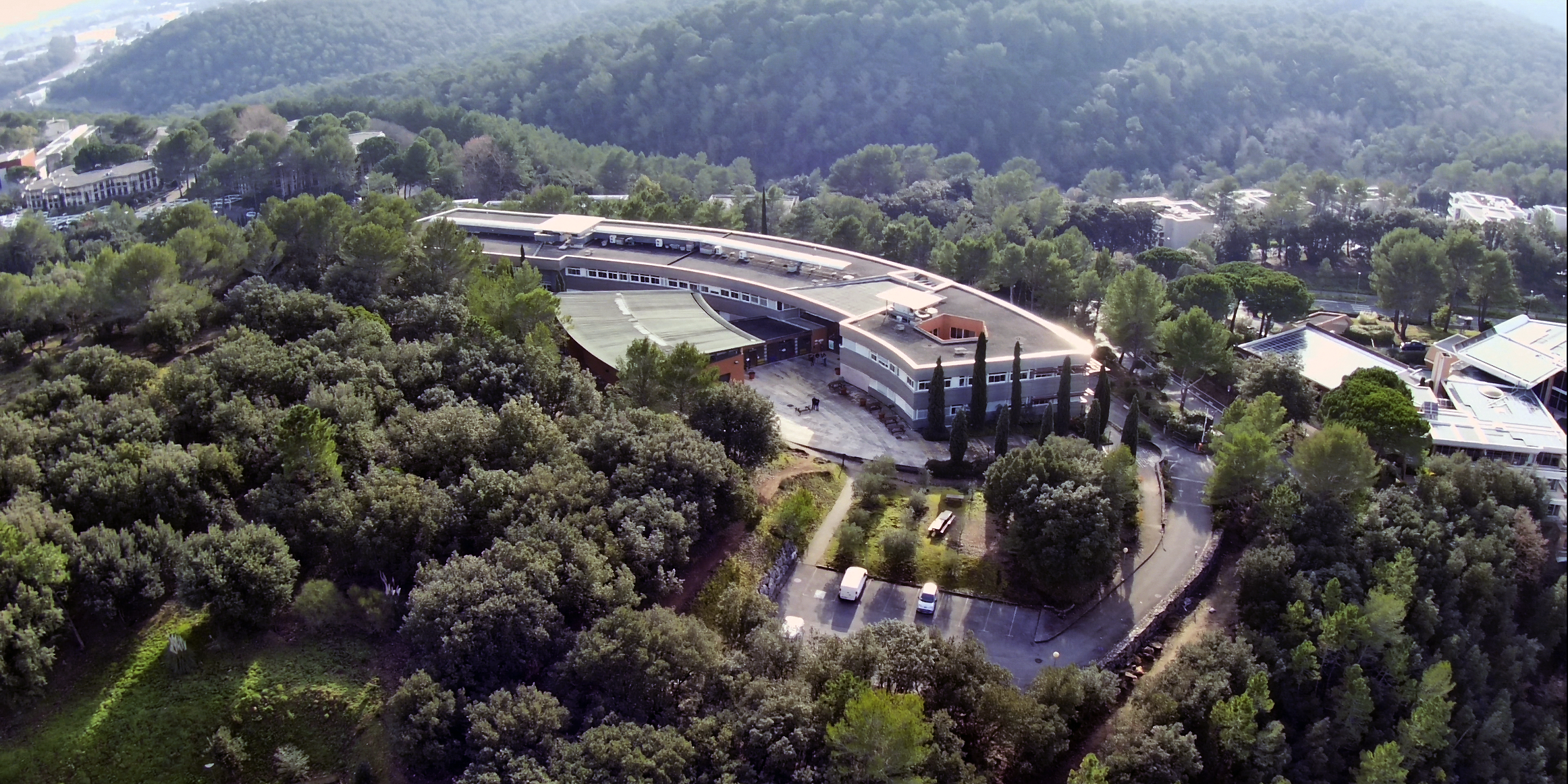
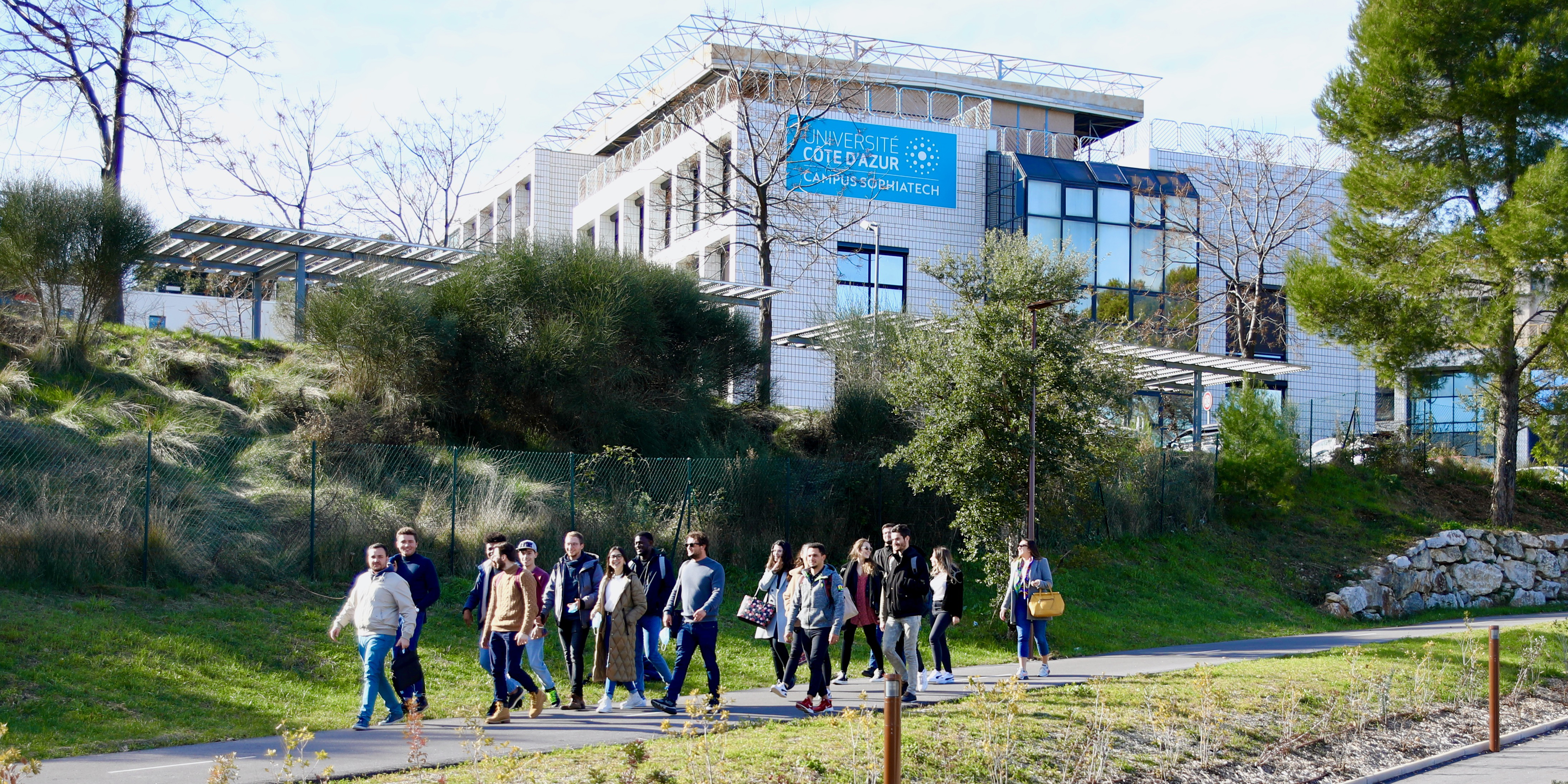
SophiaTech is the Université Côte d'Azur campus dedicated to information and communication technologies, located in the heart of Sophia-Antipolis, Europe's leading technology park, near Cannes, Antibes, and Nice.
The Master's in Computer Science is backed by internationally renowned computer science research laboratories, ensuring that students receive teaching that is directly in line with the latest developments in the field.
The French Riviera offers an optimum environment for high tech business, R&D, research and higher education. The Digital Systems for Humans Graduate school benefits from this very rich industrial and innovation ecosystem including world-class companies, SME, start-ups and competitiveness clusters.
Sophia Antipolis is Europe's leading technopole. It brings together world leaders, researchers, SMEs and start-ups in an exceptional natural environment of 2,400 hectares. The Sophia Antipolis Science Park is a place of innovation, providing companies with cutting-edge technologies and expertise in the fields of Information and Communication Technologies, in particular the Internet of Things and the Connected Vehicle, Biotechnologies and Earth and Energy Sciences.
Nice is the first European city to have deployed a bouquet of services based on mobile contactless technology (NFC). Numerous experiments are being implemented on its territory by world leaders (Cisco, IBM, Orange, ErDF, Schneider Electric, etc.) on the theme of the smart city, as well as e-health and the Silver Economy.
The Plaine du Var's eco-valley is listed as a "national interest operation", and is set to position the Côte d’Azur as an international leader in the fields of cleantech and sustainable development
Admission to the Master’s programme is selective.
Students applying for the work-study Master’s in Computer Science must state very clearly in their application either their intention to undertake a work-study placement or the name of a company willing to take them on. The work-study placement topic must be approved by the work-study coordinator.
2027/2028 Applications
Application for the M1 in Computer Science: MonMaster procedure
‘Etudes en France’ Application Procedure (admission to the 1st year only)
This procedure applies only to students who are residents of, or nationals of, one of these countries.
From 1 October 2026, via the ‘Etudes en France’ platform – The deadline for applications is set by each embassy.
The application process is conducted online. No documents received by post or email will be considered.
Only applications submitted within the specified deadlines and via the official application platforms will be considered.
Matières fondamentales pour lesquelles l’absence de connaissances est rédhibitoire : en cohérence avec la composition des majeures disponibles dans le parcours
Le redoublement ou la compensation sont-ils des critères d’appréciation ? OUI
Analyse de la cohérence entre le parcours suivi et le diplôme envisagé ? OUI
Lettre de motivation et descriptif du projet professionnel
Cohérence entre le diplôme envisagé et le descriptif du projet professionnel. La lettre devra impérativement contenir un choix argumenté de la ou des mineure(s) visée(s) qui sera un critère très important.
Qualité rédactionnelle (orthographe, défaut de structure ou de syntaxe).
Cohérence de la réflexion (développement de l’argumentaire).
CV détaillé
Elément de synthèse permettant de découvrir les compétences utiles acquises dans le cadre d’expériences précédentes et de cerner des éléments de personnalité du candidat
Promesse de contrat de professionnalisation ou d’apprentissage
Obligatoire pour les étudiants alternants uniquement, ce document rentre dans les critères de sélection. Il ne s’agit pas d’un contrat (rédigé sous un CERFA) mais d’une lettre d’engagement et surtout du descriptif de la mission en accord avec la mineure envisagée.
Pièces facultatives :
Lettre(s) de recommandation
La (les) lettre(s) de recommandation ne rentrent pas dans les critères de sélection mais permettent d’apporter un soutien à la candidature
Niveau de langue en Français
Niveau CECRL attendu : B2
Niveau de langue en Anglais
Niveau CECRL attendu : B2
Justificatifs d’expérience professionnelle
Ces éléments permettent d’apprécier l’adaptation du profil aux exigences du diplôme souhaité
UE Electives (min 2 UE - max 4 UE, including max 1 DS4H minor. Only the 2 highest marks will be included in the calculation of the average) - To be chosen among:
UE Introduction to Multiagent Systems (EN) - 3 ECTS
UE Electives (min 3 UE - max 5 UE, including max 1 DS4H minor. Only the 3 highest marks will be included in the calculation of the average) - To be chosen among:
Data Science for Complex Networks (EN) - 3 ECTS
Scalable Data Science (EN) - 3 ECTS
3D Game Programming in Real Time on the Web (EN) - 3 ECTS
L'EUR Systèmes Numériques pour l'Humain encourage ses étudiants à effectuer une partie de leurs études et leurs stages à l'étranger. Elle soutient la mobilité des Masters et Doctorants grâce à des dispositifs de financement dédiés. Les différents types de mobilités, où partir, avec quelles aides ?Cliquez ici pour en savoir plus...
En formation initiale, le rythme du M1 Informatique-Intelligence artificielle est le suivant :
De septembre à juin : 5 jours par semaine à l'université (dont 3 jours pour les enseignement disciplinaires et 2 jours pour les mineures DS4H et les projets)
416 heures de cours
School and work experience alternating
En alternance, le rythme du M1 Informatique-Intelligence artificielle est le suivant :
De septembre à juin : 3 semaines à l'université en début d'année, puis alternance de 3 jours à l'université / 2 jours en entreprise.
Les compétences professionnelles acquises dans cette formation figurent dans la fiche n°34126 du Répertoire National des Certifications Professionnelles.
Possibilité de valider un/des blocs de compétences : NON
Every year, a number of graduates from the Master’s degree in Computer Science go on to study for a PhD, either in France or abroad.
Employed by a research laboratory or a company, PhD students undertake an original research project over three intensive years, culminating in the defence of their thesis.
This globally recognised qualification (PhD) opens the door to numerous career opportunities in computer science within both the private and public sectors, in France and internationally, in roles such as lecturer-researcher, researcher and research engineer.
Locally, doctoral students from Université Côte d'Azur's Doctoral School of Information and Communication Sciences and Technologies are integrated into the teams of research laboratories partnering with the Digital Systems for Humans Graduate School or into the research and development laboratories of companies in the Sophia Antipolis technopark.
Host Company: 11 000 € (excluding the student's salary)
Executive Education:
255 €/year + fees prorated according to the number of ECTS credits (on the basis of 6700 € / 60 ECTS)
Depending on your personal situation, different amounts may apply.
Excellence Scholarship for International Students
The Excellence Scholarship "WINGS" Program from the DS4H Graduate School offers outstanding students the chance to receive a grant for the UbiNet track. This will be a decision from the Ubinet Program Committee. Key conditions: being a non-French citizen and having studied outside France, do the Master Internship with one of the Ubinet research teams. Find out more...
* "EU nationals" students are nationals of European Union member states (Austria, Belgium, Bulgaria, Croatia, Cyprus, Czech Republic, Denmark, Estonia, Finland, France, Germany, Greece, Hungary, Ireland, Italy, Latvia, Lithuania, Luxembourg, Malta, Netherlands, Poland, Portugal, Romania, Slovakia, Slovenia, Spain, Sweden), European Economic Area member states (EU + Iceland, Liechtenstein, Norway), Switzerland, and the United Kingdom. Czech Republic, Romania, Slovakia, Slovenia, Sweden), member states of the European Economic Area (EU + Iceland, Liechtenstein, Norway), Switzerland, Monaco, Andorra, and the province of Quebec (Canada). Students with refugee status or subsidiary protection are also covered by these rights.
After receiving confirmation of your admission to this program, you will need to complete your administrative registration. The procedures and registration deadlines vary depending on your situation.